
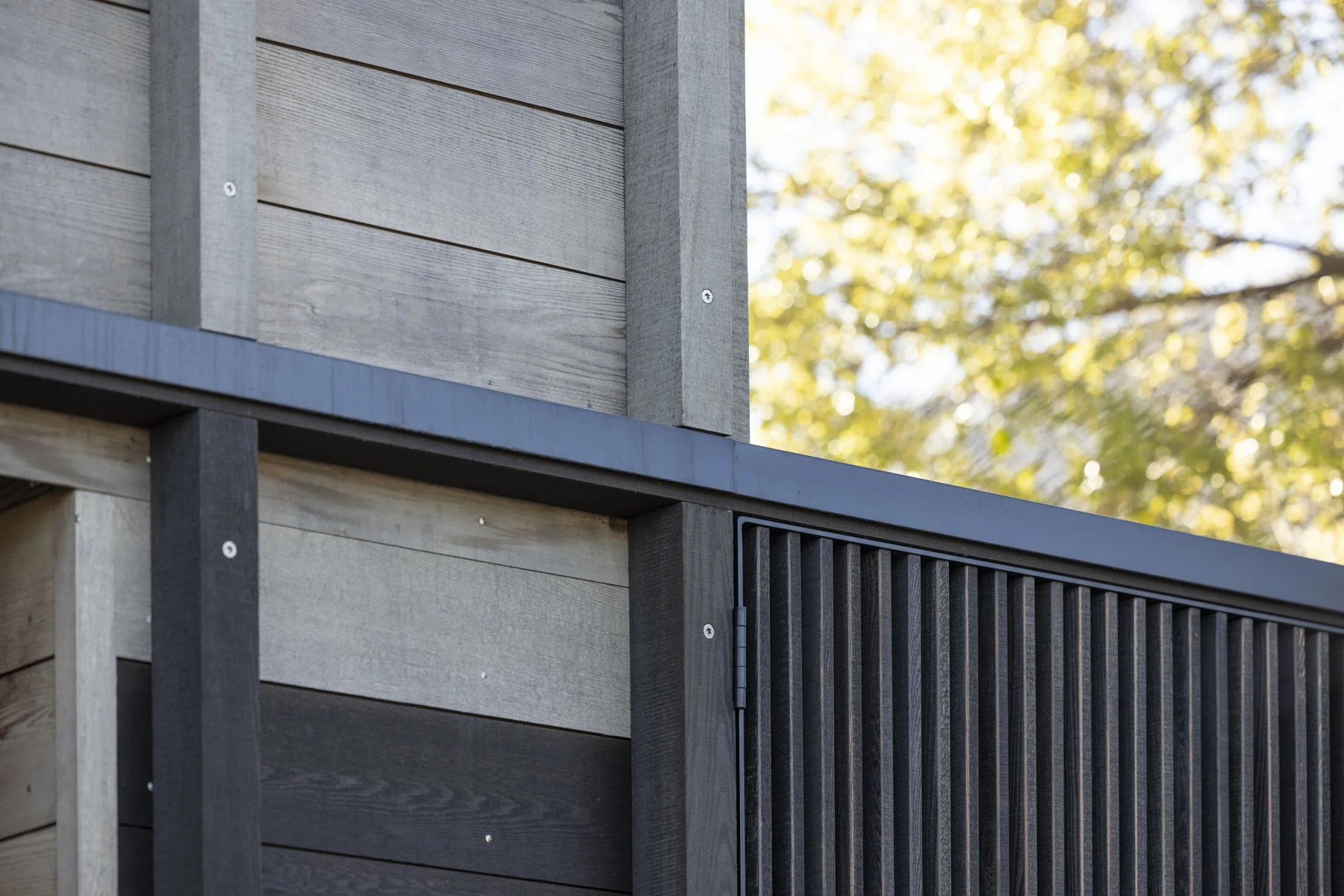
Aluminium Fabrication
Custom aluminium rain heads, window shrouds, termination bars and made-to-order fabricated parts for builders, roofers and commercial teams in Christchurch and North Canterbury.
Flash Fold fabricates aluminium components for roof, wall, opening and drainage details where builders need clean finish, corrosion resistance, reliable fit and fast turnaround.
We work from sketches, PDFs and DXFs, fabricate in-house up to a maximum fold length of 4 m, and can arrange pickup or delivery so your site team keeps moving.
Fast quoting from sketches, marked-up plans, PDFs and DXFs
In-house cutting, folding & welding
Folding up to 4 m maximum length
Mill, anodised and powder-coated finish options out-sourced
Built for roof, cladding, joinery, membrane and drainage interfaces
Local pickup or delivery for Canterbury jobs
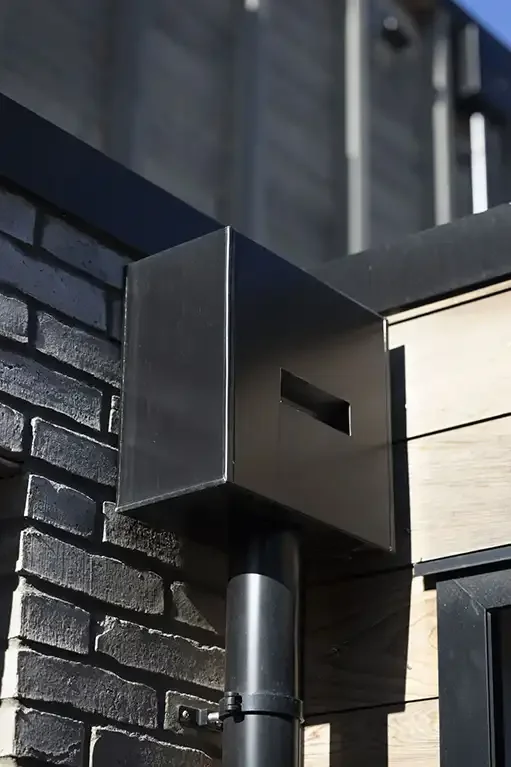
Rain
Heads
Rain heads suit upper-roof discharges, parapet and box-gutter interfaces, scuppers and visible rainwater details where the builder wants a fabricated part that looks sharp and makes the overflow strategy obvious. Where a rain head forms part of an internal-gutter system, final sizing and overflow arrangement still need to follow the project drainage design and E1 requirements.
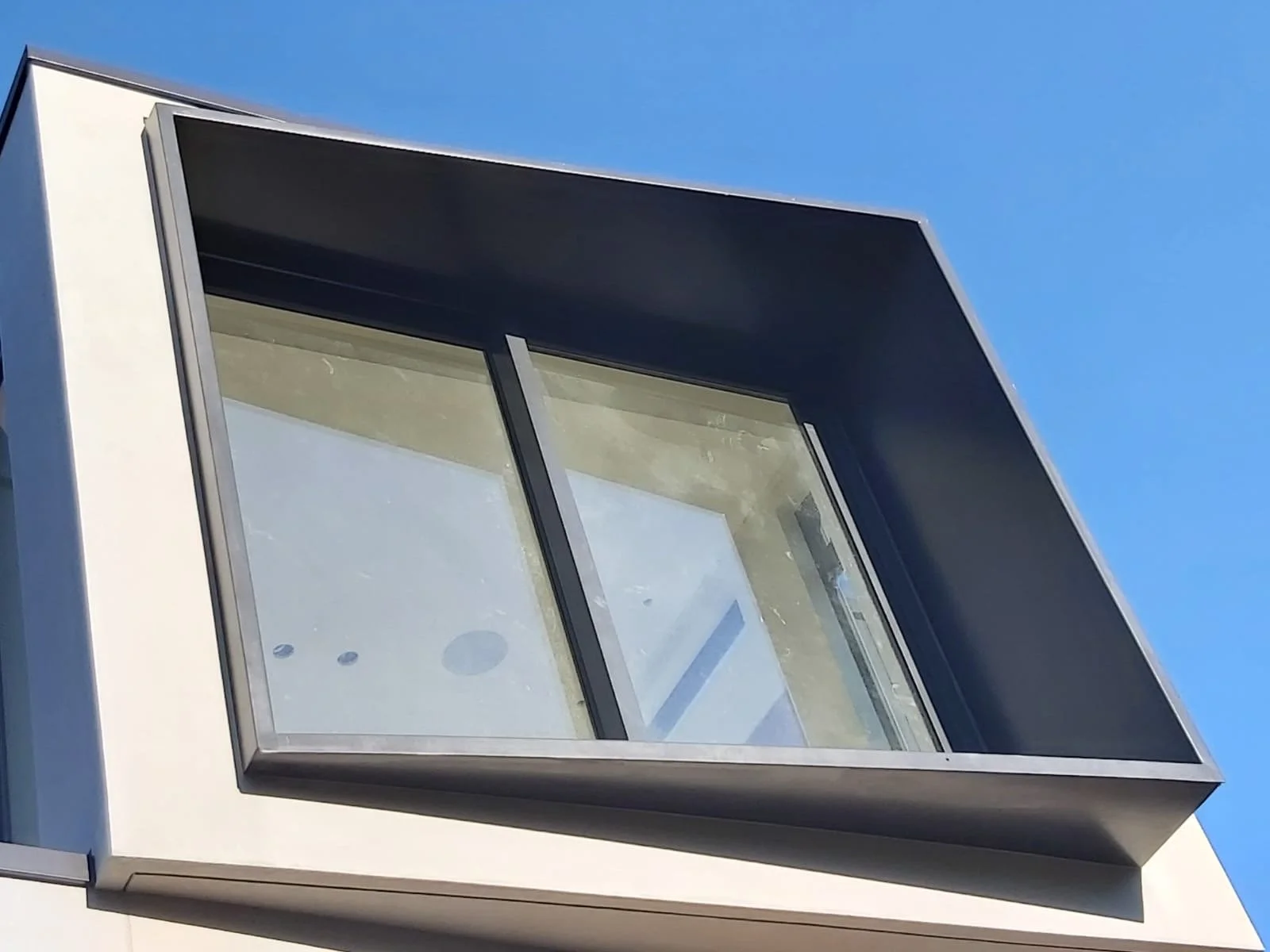
Window Shrouds
Window shrouds and opening trims are a good fit where the job needs crisp lines, lower weight and a controlled architectural finish around heads, jambs and sills. They matter because E2/AS1 treats flashings, openings, wall junctions and material integration as core weathertightness details, not decorative extras.
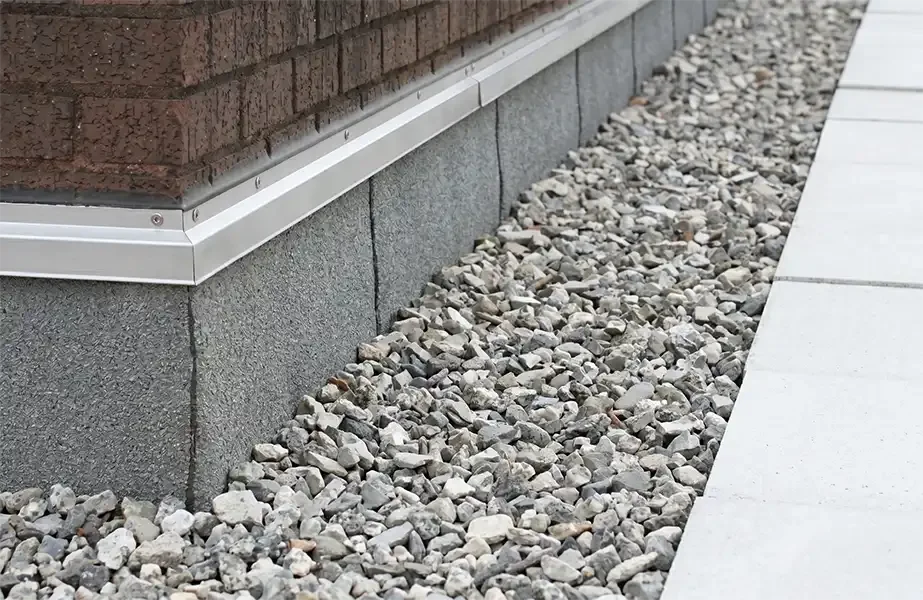
Termination Bars
Termination bars are suited to membrane edges, retained sheet edges, restrained façade terminations and straight retainer details where hole spacing, straightness and compatible fixings matter. Final profile, hole centres and fixing schedule should follow the project detail and any relevant membrane supplier requirements
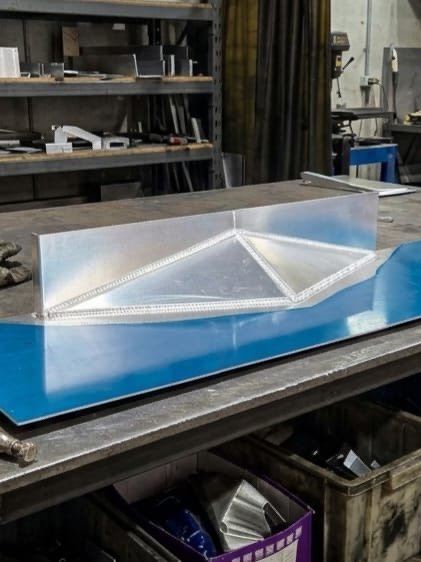
Custom Fabrication
Send us a drawing or sketch of what you need. Eg. Folded covers, saddles, brackets, channels, drainage accessories, cappings and one-off façade parts.
Flash Fold can turn it into a practical fabricated part without forcing the site team into make-do modifications.
Pickup is available from our Rangiora workshop, or we can arrange delivery for Christchurch and wider Canterbury jobs. Let us know your required timing, site access and handling constraints when you request your quote.
Aluminium Fabrication FAQ’s
-
Common options include 5005, 5052 and 5083, and the final alloy is confirmed with the customer based on exposure, weldability, finish and appearance. 5005 is the standard architectural sheet option; 5052 is stronger and welds well; 5083 is used where harsher environments or higher strength are needed.
-
Use 0.7–6.0 mm as the published range for this page. That range is commercially sensible and consistent with common regionally stocked aluminium sheet/plate. Add that the maximum fold length is up to 4 m.
-
Anodising and powder coating is outsourced. For visible architectural work, agree finish, surface preparation, colour tolerance and visible faces up front.
-
Often yes, but not automatically. Coastal salt materially increases corrosion risk for building metals, and aluminium still needs correct alloy, finish, compatible fixings and separation from corrosive wet contact. This matters in greater Christchurch as much as it does nationally because exposure can shift quickly with proximity to salt water and local microclimate.
-
A sketch, PDF or DXF with dimensions, non-standard angles, visible faces, fixing information, finish and required timing.
-
Lead times are confirmed at quote stage. Straightforward folded items may be able to move quickly, but welded, highly custom or powder-coated work needs confirmed scheduling.
-
Fabrication can support compliance, but NZBC compliance depends on the total detail: design, exposure, material compatibility, rainwater sizing, installation and maintenance. That is why B2, E1 and E2 should be referenced as context rather than as blanket product certification.
-
Choose stainless where chloride exposure, finish retention or long-life robustness justify the extra cost. Choose prepainted steel where colour matching and mainstream flashing/gutter compatibility come first. Choose weathering steel only where the design deliberately wants a patina and the detail allows drainage, ventilation and wet/dry cycling; it is not the default answer for flashings or persistent wet zones.